
College Football 27 Guide: Offensive Mechanics – How to Master New Passing, Blocking, and Play Design
Jun-27-2026 PSTSummary
College Football 27 introduces several offensive mechanics that place greater emphasis on timing, pre-snap adjustments, and decision-making. This guide explains how to use the most important features effectively to improve offensive consistency and create more scoring opportunities.
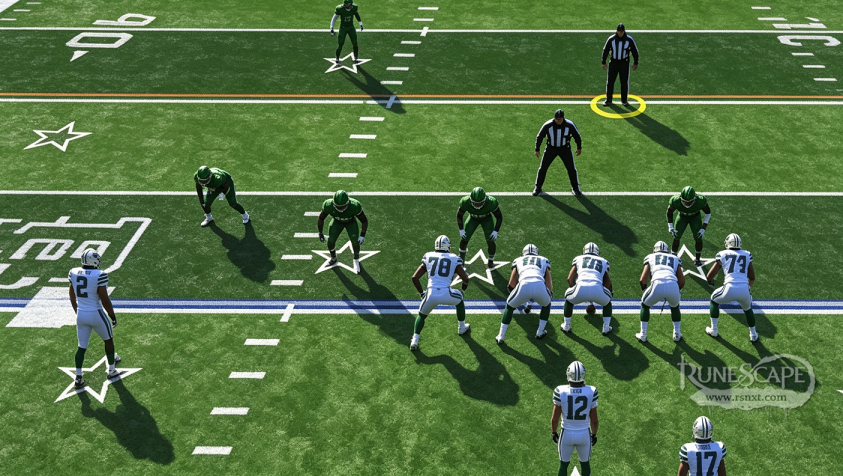
Understand the New Timing-Based Catching System
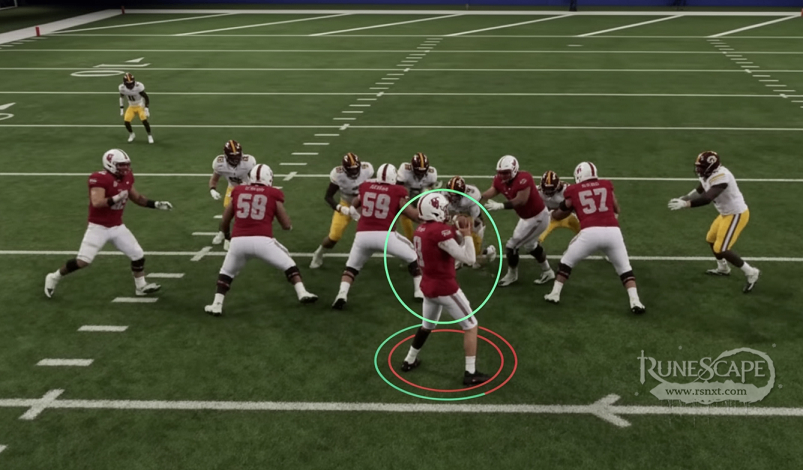
The new timing-based catching mechanic affects nearly every passing play. Successful catches now depend on player input rather than receiver ratings alone.
A green timing window produces the most reliable catch, while yellow timing behaves similarly to previous games. Missing the timing and landing in the red window greatly increases the chance of a dropped pass. Players who are still learning the system can adjust or disable the feature in the gameplay settings until they become comfortable with its rhythm.
Improve Blocking with Pre-Snap Adjustments
Effective blocking begins before the ball is snapped.
The updated offensive line controls allow players to identify the correct defender as the Mike linebacker while viewing blocking assignments in real time. Making accurate adjustments helps offensive linemen account for blitzes and creates cleaner running lanes. Incorrect assignments, however, can leave defenders unblocked, so every adjustment should match the defensive alignment.
Use the Untarget User Defender Option Against Aggressive Defenses
College Football 27 introduces an offensive coaching adjustment that prevents blockers from reacting to user-controlled defenders positioned to manipulate pass protection.
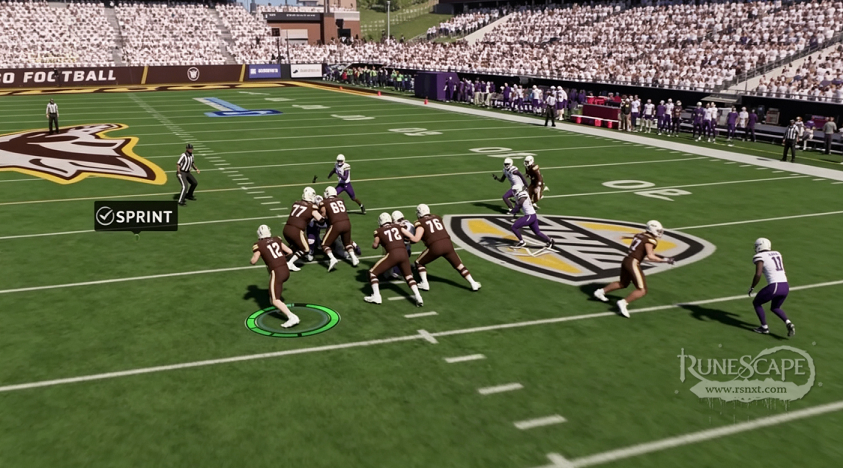
When enabled, offensive linemen maintain their assignments instead of chasing the user defender, making it easier to handle common pressure schemes. This feature is particularly useful against opponents who rely heavily on manual defensive positioning before the snap.
Save Frequently Used Adjustments
Custom adjustments reduce the amount of work required before each snap.
Players can save combinations of hot routes, blocking assignments, and protection changes that are commonly used together. Instead of repeating several manual inputs during every play, a complete setup can be applied immediately after selecting a formation. This shortens pre-snap preparation while maintaining offensive consistency.
Create Defensive Uncertainty with Formation Shifts
Formation shifts add another layer of strategy without requiring personnel changes.
A play can begin from one formation before shifting into another with the same group of players. This forces defenses to react to changing alignments and makes it more difficult to predict the final offensive look. At the same time, quarterbacks retain the option to snap the ball before completing the shift if the original alignment creates a favorable matchup.
Learn the Updated Controls
Several important controls have been reassigned.
Pass protection adjustments are now accessed through the left trigger, while custom adjustments occupy the previous protection shortcut. Spending time in practice mode to memorize these changes will reduce mistakes during competitive games and improve overall offensive execution.
Take Advantage of Expanded Playbooks
Many offensive concepts that previously required multiple hot routes are now available as built-in plays.
This allows offenses to execute complex route combinations immediately after the snap while reducing pre-play adjustments. Learning these new play designs helps maintain tempo and allows players to focus more on reading defensive coverage than manually creating route combinations.
Use Directional Ball Carrier Moves
Running after the catch and rushing the football now require greater precision.
Directional stiff arms allow players to choose how they engage defenders rather than relying on a single animation. Combining these moves with proper timing and positioning creates more opportunities to extend plays and gain additional yardage.
Adapt to Smarter AI Coaching
The updated Coach DNA system enables CPU-controlled teams to adjust throughout the game.
Opposing offenses recognize successful players, modify play selection, and respond to defensive pressure more intelligently than before. Players should expect offensive tendencies to evolve over four quarters instead of remaining predictable, making continuous defensive and offensive adjustments increasingly important.
Use Coaching Features to Maintain Player Performance
Coach Mode introduces additional management options beyond calling plays.
Players can make strategic decisions from the sideline while monitoring athlete confidence and fatigue. Coach Chats can restore struggling players to a neutral confidence level, helping key contributors recover after mistakes and remain effective later in the game.
Attack Zone Coverage More Efficiently
The new Zone Window Awareness setting helps receivers identify soft spots in zone defenses.
Instead of running directly into defenders, eligible receivers can slow down and settle into open throwing windows. This makes short and intermediate passing concepts more reliable, especially against teams that frequently rely on zone coverage.
Build Your Team Alongside Better Execution
Mastering offensive mechanics remains the primary factor in winning games, but roster quality also contributes to long-term success in Ultimate Team. Players who choose to buy CUT 27 Coins should still prioritize learning the new passing mechanics, blocking adjustments, and offensive controls, as execution ultimately determines how effectively a team performs on the field.
Conclusion
College Football 27 rewards players who understand its expanded offensive systems rather than relying solely on familiar play-calling habits. Learning the new catching mechanics, mastering pre-snap adjustments, using formation shifts effectively, and adapting to smarter AI behavior will produce a more efficient and consistent offense throughout every game.